The $100 Stock Behind Elon's Next Move 
How Serious Is the Regulatory Threat Now Facing Tesla's Cybercab?Written by Sam Quirke on September 17, 2026 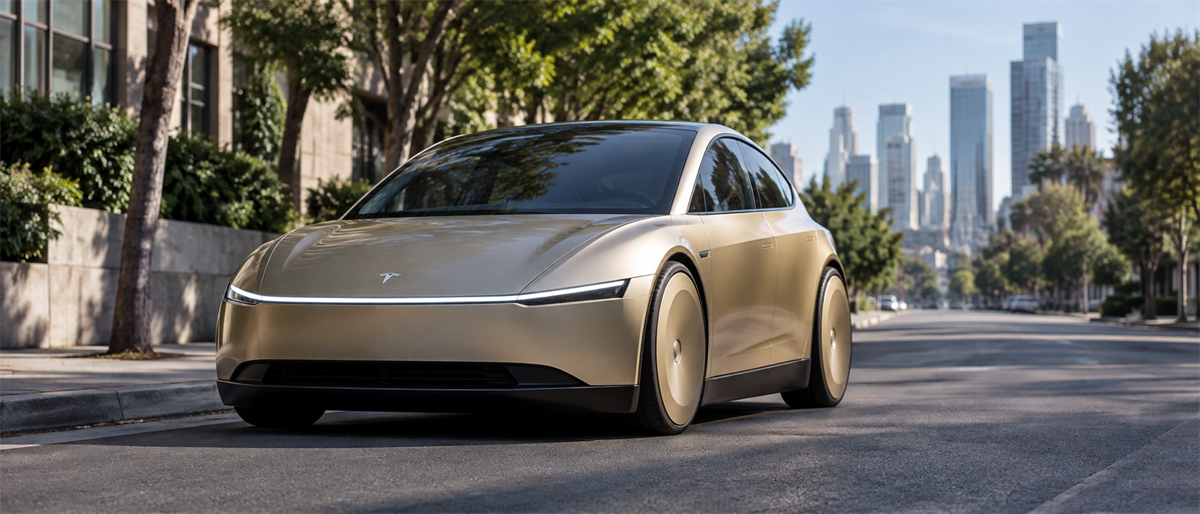
Key Points
- Federal regulators formally ordered Tesla to justify the Cybercab's lack of a steering wheel, pedals, and mirrors, with answers due by month's end.
- Tesla appears to have a workaround since regulators noted removable controls could be fitted, and Tesla already uses retrofitted Cybercabs to gather driving data.
- The bigger risk is a prolonged delay that stalls Cybercab expansion and lets rivals gain ground, rather than an outright recall or program collapse.
- Special Report: Get this “Fed ticker” before September 16

After a solid multi-week run that saw Tesla Inc. (NASDAQ: TSLA) shares climb almost 30% from their late-July low, the rally has stalled. The stock has drifted back to around $360 as a regulatory cloud over its Cybercab robotaxi gives the bulls a reason to bank some profits. The concern first surfaced in early September, when reports emerged that safety regulators were scrutinizing the vehicle's design, taking some of the wind out of the stock's sails. This week, that scrutiny became official, with federal regulators formally ordering Tesla to justify the Cybercab's design and demanding answers by month's end. At the heart of the dispute is the car's most radical feature: its complete absence of a steering wheel, pedals, or mirrors, the very things that make it a true driverless vehicle. The order raises the stakes because a bad outcome could force regulators to recall the Cybercabs already on the road. So how serious a threat is this really, a true roadblock for Tesla's self-driving ambitions, or a hurdle it can clear without much trouble?
Trump has called an Iran deal close 38 times since the war began, yet the fighting keeps flaring back up.
One day it's a ceasefire, the next it's bombs again. The back and forth may be masking a bigger story most investors are missing.
See the real reason this conflict may never fully end. Uncover the real reason Trump may never end this war
What the Regulators Actually WantThe headline might sound dramatic, but the good news for Tesla bulls is that it sounds more alarming than it really is. This isn’t a recall, nor a finding that anything is wrong, just a formal request that Tesla explain the basis on which it certified the Cybercab as roadworthy. The heart of it is a difference of interpretation. Existing safety rules assume a car has manual controls, and Tesla decided those rules should not apply to a vehicle designed never to be driven by a human. Rather than seek a formal exemption first, it certified the car itself, and regulators now want to make sure that decision was valid. For now, though, there's little cause for alarm. This is simply the regulators doing their job and asking a company to show its workings. Only if Tesla fails to satisfy them could the process escalate into something more serious. Why It Should Prove ManageableThe reassuring part for investors is that this looks like a hardware and paperwork problem, not a fundamental flaw in the car's ability to drive itself, which would be a far graver concern. Tesla also appears to have a ready workaround, if needed—regulators themselves noted the company could fit removable steering and braking controls, and the vehicle's wiring already supports them. Tesla has even said it already uses Cybercabs retrofitted with a wheel and pedals to gather driving data, so the capability plainly exists. Seen this way, the bulls argue the review could actually prove helpful. Forcing Tesla to settle the compliance question now, rather than later, would hand it a clearer path to rolling out its robotaxis at scale further down the line.
After correctly predicting the 2008 and 2020 stock market meltdowns, I believe this AI company is about to trigger the next crash. The research firm Bernstein Research said this AI company has the power to crash the global economy for a decade, the CEO just issued a CODE RED in an internal memo warning employees they're dealing with a critical situation, and another company executive even implied they might need a government bailout. The last time I saw something like this was in 2008 when I predicted a stock market meltdown just three weeks before Lehman went under. See the five simple steps to prepare before it's too late
The Bears Still Smell TroubleThe skeptics, however, see a more worrying picture, and their central concern is delay. A drawn-out process could push any meaningful expansion of the Cybercab fleet well into next year, just as rivals press ahead. Tesla's chosen approach also matters: while competitors sought formal exemptions and accepted the existing rules, Tesla took the more combative path of certifying the car itself. If regulators reject that interpretation, it may be forced into a costly redesign. Tesla's robotaxi service is still in the early days of its rollout, while many rivals are racing ahead, so every week or month lost to regulatory limbo gives the competition more time to build a lead. A Hurdle, Not a RoadblockWeighing it all up, this looks far more like a hurdle than a roadblock. The design issue appears technically solvable, Tesla has an obvious workaround waiting if needed, and the order is an early-stage query rather than a damning verdict. The likeliest outcome is some combination of fixes and negotiation, not the collapse of the whole program. It also helps to remember that the robotaxi business contributes almost nothing to Tesla's revenue today, and won't for years yet. Its real value lies in the story it tells, underpinning the belief that Tesla is becoming a leader in autonomy and AI. That’s actually what this dispute quietly puts at risk. The real danger, then, is not a permanent block but a costly delay, one that saps momentum and gives rivals room to run. For now, the sensible course might be to watch how Tesla responds by the deadline, and how regulators react in turn. The Cybercab dream isn't dead, far from it, but this episode is a timely reminder that the road to a driverless future runs straight through regulators, and that's rarely a fast lane. Read this article online › Further Reading

Did you learn something from this article?  
|