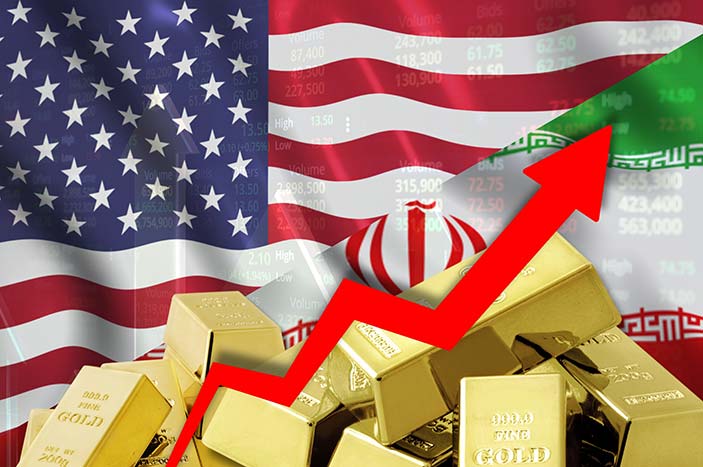
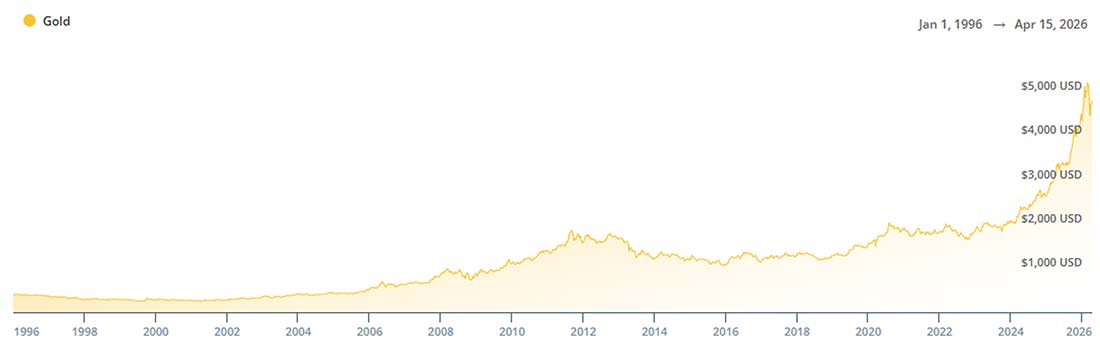
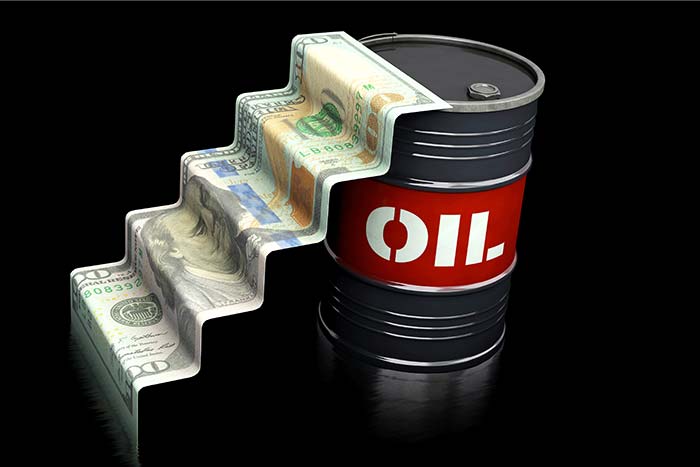
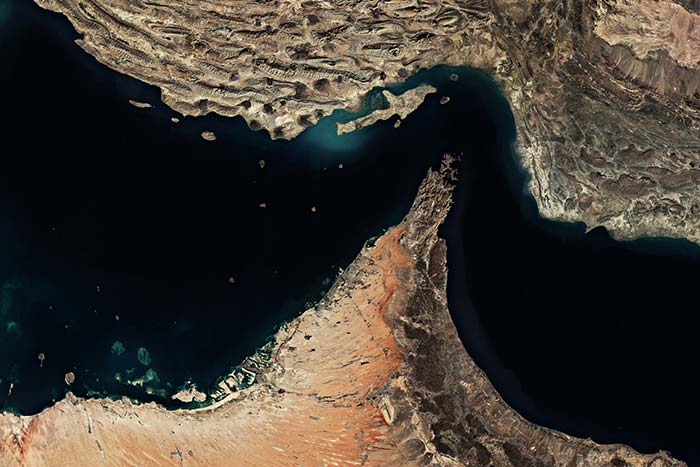
During the conflict, Iran was reportedly accepting yuan for oil passing through the Strait itself. China, Russia, India, Brazil, and Poland have added hundreds of tonnes each over the past five years. The shift away from dollar reserves is not a trend. It is a policy. The deal that kept the dollar dominant for fifty years is coming apart. The Iran conflict did not cause any of that. It accelerated it. When a country sitting on massive oil reserves falls into chaos, when the Strait of Hormuz closes, and 20% of the world's daily oil supply stops moving, every central bank and finance ministry on earth is forced to ask the same question: what do we hold that no government can freeze and no sanction can touch? In 1979, the answer was gold. Forty-six years later, nothing has changed. JP Morgan is projecting $6,300 gold by year-end 2026. Deutsche Bank has a $6,000 target. Those forecasts were not built on the conflict. They were built on the structural forces the conflict made impossible to ignore.
YOUR ACTION PLANThe ceasefire did not change those forces. The recovery in gold back toward $4,750, while peace talks remain unresolved, tells you something. The structural bid does not wait for certainty. In 1979, gold kept climbing long after the headlines faded. The biggest move came not from the crisis itself but from what it revealed about the system beneath it. I learned that lesson by watching in 1979. I've made a lot of money in gold stocks since then. And I'm actively pursuing new opportunities.
| Want more content like this? |
|
|
|












No comments:
Post a Comment