| "The years roll round and the last will come; when I would rather have it said, He lived usefully, than, he died rich."
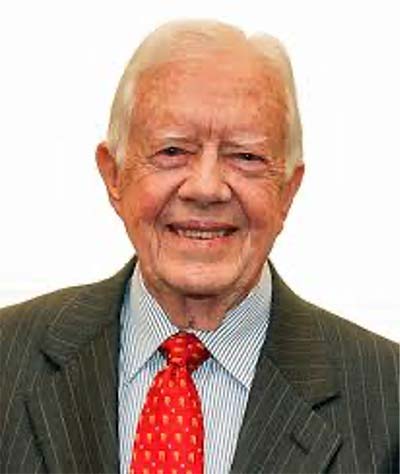
- Benjamin Franklin Today we celebrate Presidents Day. Three of the most famous presidents celebrated their birthdays in February: George Washington, Abraham Lincoln, and Ronald Reagan. What did they do after leaving office? Of course, Abe Lincoln's life was cut short when he was assassinated in 1865 while still in office. He was 56. Both Washington and Reagan retired from public life after serving two terms. Our first president lived for less than three years after leaving office. He spent his final years at his Mount Vernon estate, managing his plantation and affairs until his sudden death from a throat infection. He was 67 years old. After Reagan retired in 1989, he spent much of his time working on his mountain ranch in California, writing his memoirs and establishing his presidential library. Five years later, he was diagnosed with Alzheimer's disease, and he passed in 2004 at the age of 93. The Challenge of Retirement The key to a successful retirement is to stay engaged in a variety of activities. As one motivational speaker put it, you need to move from retirement consciousness to refirement consciousness! Many retirees grow bored quickly, whether they spend their time watching TV or hitting a little white ball around the green hills of America. If you want more out of your retirement, you have to be engaged in activities, charitable work, and hobbies that genuinely interest you. I'm reminded of the four pillars of success in life: physical, social, mental, and spiritual. Focus on all four, and you'll enjoy life to the fullest. Advice From the World's Best Ex-President: "Don't Retire!" Jimmy Carter wasn't the greatest president of the United States, but he does rank among the country's best ex-presidents! Let me explain. I met President Carter several times when I had a White House press pass in the late 1970s. At the time, I was the managing editor of the Inflation Survival Letter, published by Human Events. I attended several press conferences in the White House. President Carter was always searching for solutions to inflation, the energy crisis, and foreign policy, but he was not very successful. The best thing he did was appoint Paul Volcker as the chairman of the Federal Reserve. Volcker went on to kill inflation in the early 1980s - guided by Ronald Reagan. Carter's press conferences were so chaotic and frequent that journalists stopped coming, and the empty seats were filled up by White House staff. After being elected in a landslide, Reagan provided real solutions to our problems, and Carter quietly retired to Plains, Georgia. The media thought he would just fade away, but he never quit working! The former governor and peanut farmer viewed retirement not as a time to stop working, but as an opportunity for "refirement" - to get "fired up" about new adventures. He advocated an active, purposeful life after office. He believed in using one's time to contribute to society, often saying "you don't retire," and continued working actively into his 90s, focusing on service rather than accumulating wealth. | 













No comments:
Post a Comment