DisasterAssistance.gov is the official website devoted to helping disaster survivors. It's a portal to help survivors locate more than 70 forms of assistance across 17 federal agencies via the internet using their desktop computer, tablet or mobile device. Using prescreening technology, DisasterAssistance.gov offers an anonymous questionnaire that generates a personalized list of assistance a survivor can apply for based on the answers. The site also provides other disaster-related information and resources to help before, during and after a disaster.   Siteimprove: An Easier Way to Govern a Website. What is Siteimprove? Siteimprove is cloud-based software that DAIP uses for governance of the DisasterAssistance.gov website. Its collection of tools provides valuable automated processes that can help improve the quality and accessibility of the website. The software crawls the website every five days to gather information. Siteimprove can identify problems and track certain trends for various areas and functions of the website. It helps to quickly and easily identify some of the most common website problems, including the following: - Pages with broken links
- Redirected links
- Misspellings, in English and Spanish
Before Siteimprove, checking every link on the website was a time-consuming, manual process. Siteimprove offers a wide range of reports that can be scheduled with various frequencies and can generate behavior maps for any 10 targeted pages on three different platforms – desktop, tablet, and mobile. There are four types of maps: Heat, Scroll, Click, and Segmentation. Each one provides a unique view into how users behave on the website during selected periods. Siteimprove is used in addition to Google Analytics to provide more detailed website metrics. It provides different kinds of monitoring, data, and interactive tools that enhance the ability to improve the website and the experience for the users.  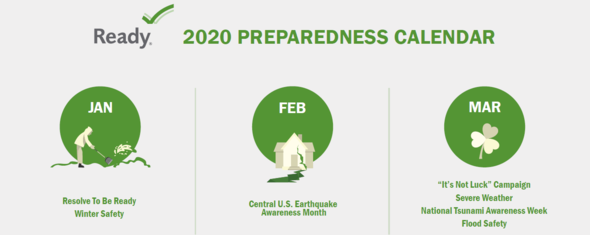 From the FEMA.gov Bulletin: The Ready 2020 Calendar provides customizable resources to help promote preparedness throughout the year. It reaffirms our enduring commitment to building a more resilient Nation by raising awareness and providing tips and tools to encourage everyone to be better prepared for emergencies and disasters. Everyone can take an active role to help build a culture of preparedness. All of our newsletter subscribers are encouraged to download the calendar in English and Spanish and share the Agency's preparedness information with your networks. Recovery Technology Programs Division (RTPD) Year in Review Highlights Excerpts from the 2019 Recovery Technology Program Division Year End Report: "2019 may not have produced any major disaster declarations, but lest anyone think that RTPD's value is only realized during major disaster operations, the numbers below show the extent of the great work of the division during both blue skies and disasters...we've been busy supporting Recovery's mission and systems, and making real progress in modernization efforts with both technology and Agile mindsets across the directorate!" Here are some highlights from DAIP, a Program Management Office (PMO) within RTPD: - Completed the migration of DisasterAssistance.gov platform to a cloud environment, and all survivor traffic to the website is live on the cloud platform. This migration will increase the ability to scale in response to catastrophic disasters, improve the ability to provide critical updates to the website as the software is modernized, and reduce dependency on department servers that have reached their end of life.
- Teamed with the Veterans Affairs Administration (VA) to create a new "Veterans" tab on DisasterAssistance.gov. The new page consolidates vital information useful to veterans after a disaster in one place. The VA uses the web address of this page on their marketing materials to help guide veterans through the assistance process.
- Re-enabled the U.S. Department of Housing and Urban Development (HUD) Data Exchange on July 29, 2019. This version of the data exchange adds a significant number of FEMA registration data elements that HUD needs to identify potential duplication of benefits.
- Completed development and deployment of 9 DAC releases to support Call Center and Public Registration Intake and Online Applicant Inquiry enhancements, including responsive design implementation for the call center, updates for AI to provide more guided service and self-service capabilities, remediate security and accessibility findings, and prepare for the migration of DAC to the cloud.
- Reinvigorated the Federal Partner Executive Steering Committee, including two in-person ESC meetings for the first time in several years. (Photo Credit: FEMA Eliud Echevarria - Apr 19, 2009)
  DisasterAssistance.gov Site Metrics Fiscal Year 2020 Quarter 1 (October 1, 2019-December 31, 2019) 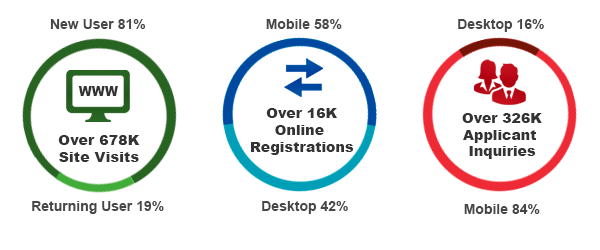 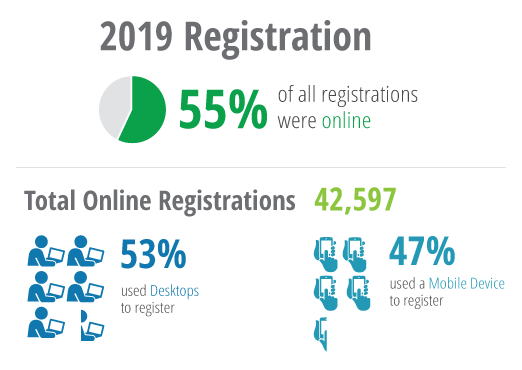 | 








No comments:
Post a Comment