Democrats have something important in common across the three highest-profile elections coming in November: an edge on ad spending.
Money doesn't buy everything in campaigns — or else the history books would look very different. But the data, according to ad-tracking firm AdImpact, tells a story about the state of each race.
California's redistricting ballot measure: Democratic-aligned groups have spent more than $66 million asking Californians to vote "Yes" on the measure to approve a new congressional map that could net the party up to five additional House seats.
The top ads pan what they call President Donald Trump's "unprecedented power grab to steal congressional seats and rig the 2026 election" by pushing for new maps in Texas, Missouri and elsewhere.
The "No" side of the race is extraordinarily well-funded compared to most campaigns but, at almost $28 million spent on ads opposing the redistricting push so far, it falls well below the "Yes" side financially.
The "No" ads have tried to frame Gov. Gavin Newsom as the bogeyman, arguing the Democrat wants to steal power from the independent redistricting commission because he "wants the same politicians who failed California to draw their own safe seats and rig elections to help make himself president."
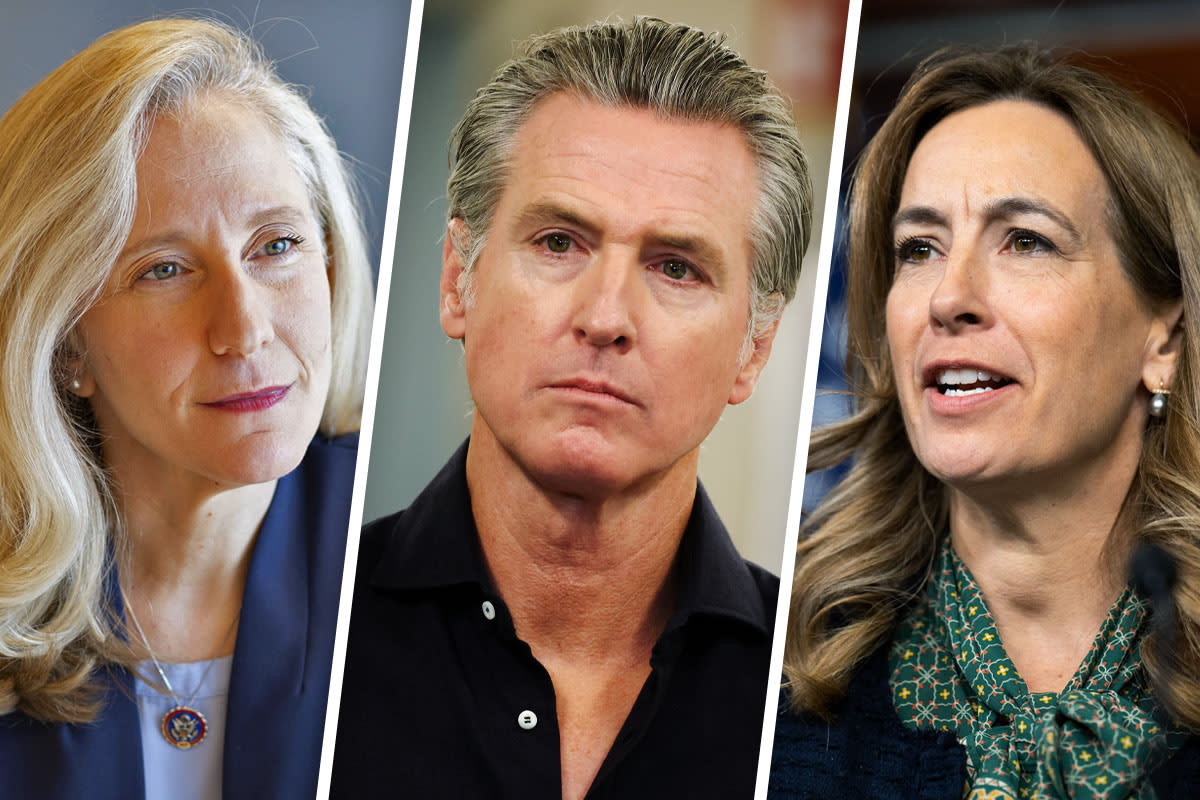
Virginia governor: Democrat Abigail Spanberger's campaign has spent almost $40 million on ads this year, more than double the more than $18 million coming from Republican Winsome Earle-Sears' campaign. What's especially notable is that there hasn't been a massive influx of Republican dollars, like there was in 2021, to close the gap this year.
Spanberger's top ads focus tightly on economic issues, tying Earle-Sears to Trump and arguing the two are "raising prices for everything."
Meanwhile, Earle-Sears' ads have attacked Spanberger over transgender policies in schools and, more recently, the violent text messages sent a few years ago by Democratic attorney general nominee Jay Jones.
New Jersey governor: Since the primary elections ended, Democrats have spent $41 million to the GOP's $29 million. Outside groups are the top two spenders: $23 million from the Democratic-aligned Greater Garden State, and $13 million from the GOP-aligned Restore NJ.
At the governor candidate level, Republican Jack Ciattarelli has the spending edge with $13 million, compared to Democrat Mikie Sherrill's $10.5 million.
There's also relative unanimity in the advertising on the ground the two sides are fighting over — the economy. All of the top ads in the race focus on various economic themes, battling over rising electric bills, over whose policies could make them worse, and over which party's tax policies would be more harmful.
Read more from Ben →







No comments:
Post a Comment