The generational angst within the Democratic Party is reaching a boiling point and spilling over into the party's 2026 primaries.
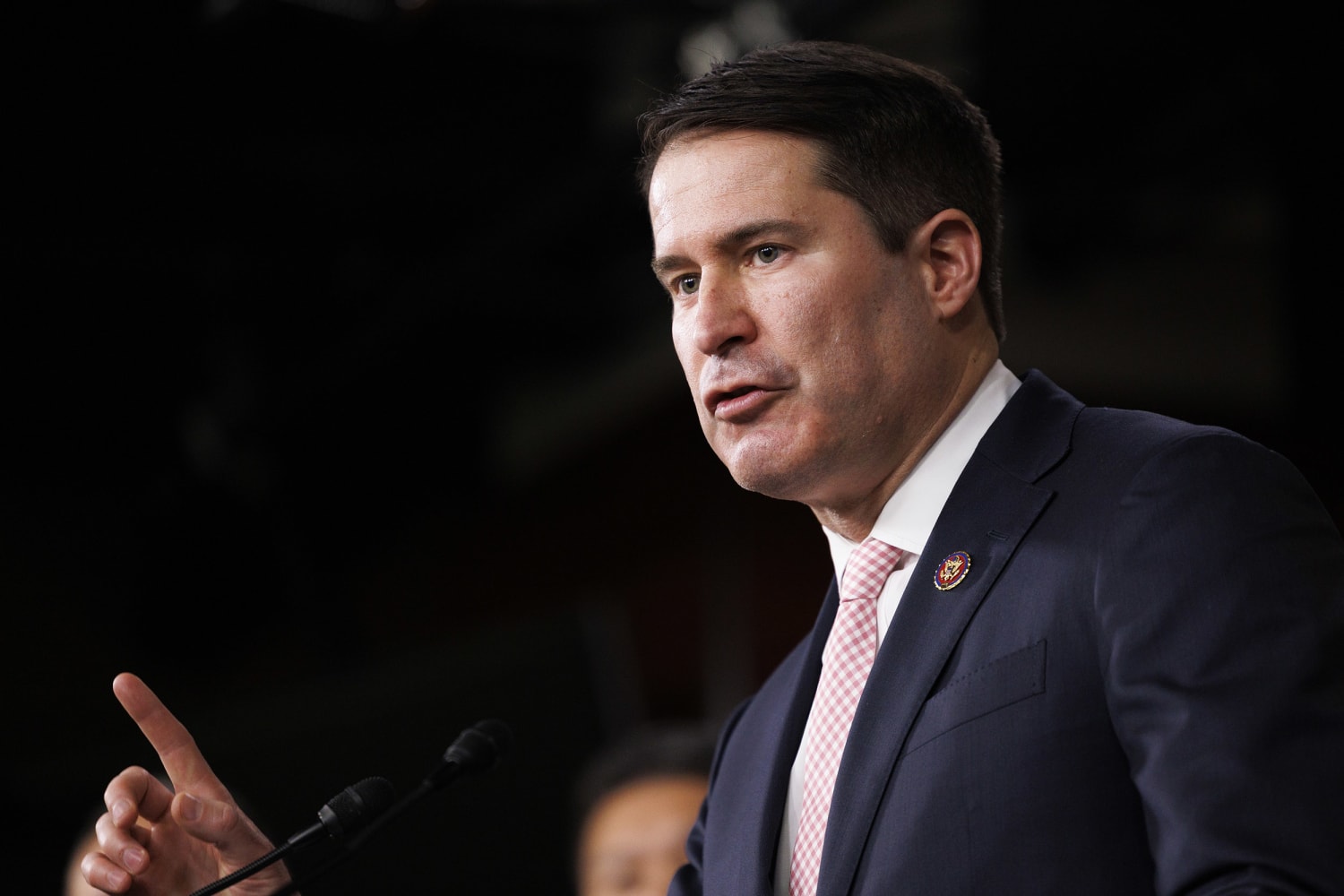
Rep. Seth Moulton's announcement today that he is launching a primary challenge against Sen. Ed Markey in Massachusetts makes him the latest Democrat to directly take on a more senior member of the party and make his case for a "new generation of leadership."
"We're in a crisis, and with everything we learned last election, I just don't believe Sen. Markey should be running for another six-year term at 80 years old," Moulton, 46, said in his video announcement. "Even more, I don't think someone who's been in Congress for half a century is the right person to meet this moment and win the future."
Markey's campaign manager, Cam Charbonnier, responded in a statement noting that Moulton is launching his campaign during a government shutdown.
"Senator Markey is doing his job — voting against Trump's extremist agenda and working to stop the MAGA attacks on health care so that we can reopen the government. That's what leadership looks like and what the residents of Massachusetts expect from their Senator," Charbonnier said.
The Massachusetts race is just the latest generational battle playing out in a Democratic primary ahead of next year's midterms. The angst among younger Democrats has been fueled – as Moulton alluded to – by Donald Trump's victory last year amid concerns about Joe Biden's age and his ultimate withdrawal from the presidential race.
In Maine, Democratic Gov. Janet Mills, 77, launched her campaign this week against GOP Sen. Susan Collins. One of her chief primary rivals, oyster farmer Graham Platner, 40, began airing a TV ad on MSNBC featuring women discussing the race and saying, "Janet Mills again? She was a good governor but I think it's time for change."
The party's generational divide also played out in House primaries across the country, most recently with Tennessee state Rep. Justin Pearson, 30, announcing his Democratic primary bid against longtime Rep. Steve Cohen, 76.
It is very rare for a sitting member of Congress to lose a primary – it only happened four times in the House last cycle. A sitting senator hasn't lost a primary since 2017, when appointed Sen. Luther Strange, R-Ala., lost the GOP nomination to Roy Moore in a special primary election.
But at the very least, these primary battles will force Democrats to confront tough questions about what sort of party they will be heading into the 2026 and 2028 elections – and beyond.









No comments:
Post a Comment