President-elect Donald Trump's picks to serve in top jobs in his next administration have generally stayed off the airwaves to avoid any verbal slipups that might jeopardize their chances at being confirmed by the Senate.
Not so with Tom Homan.
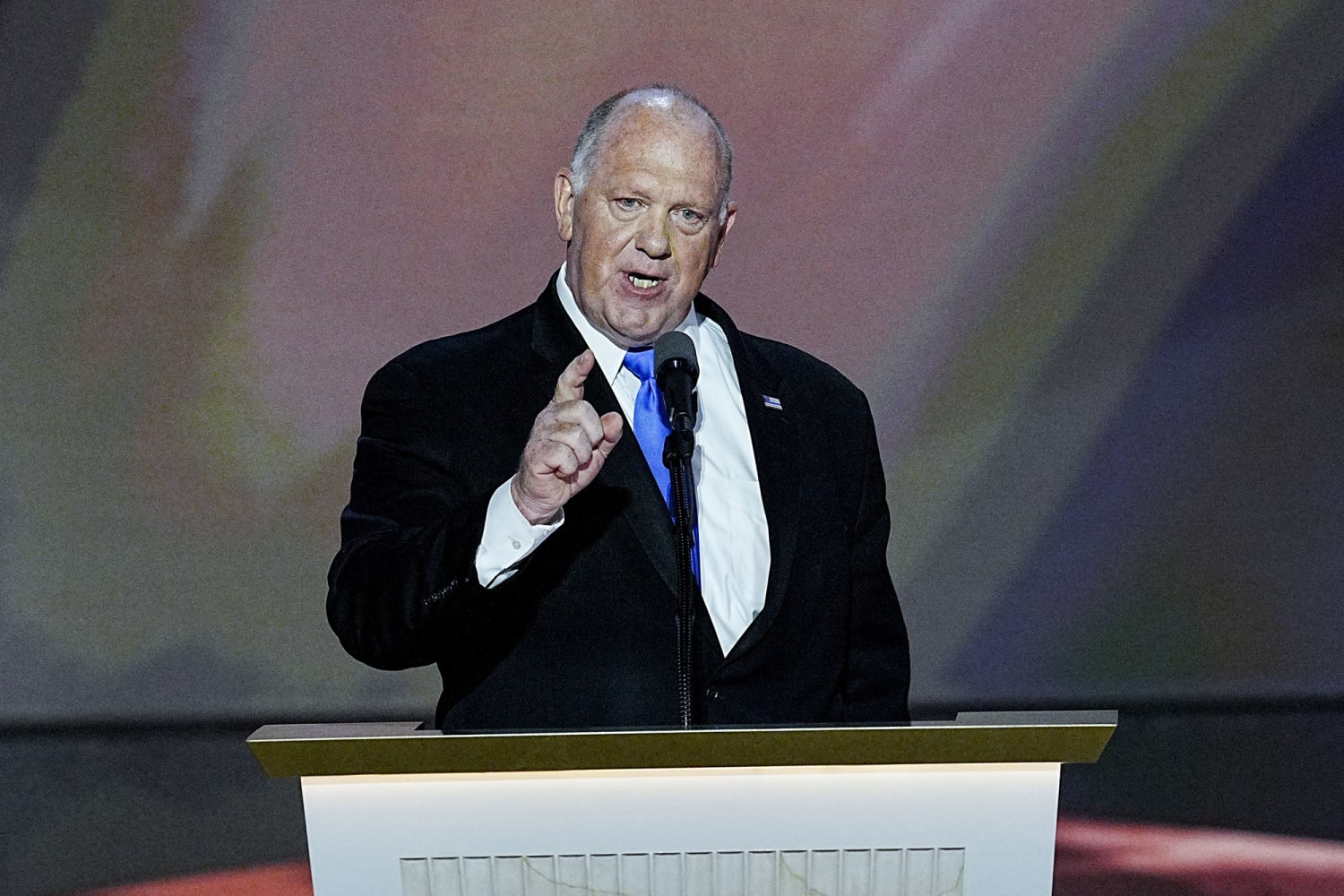
Homan, who was the acting director of Immigration and Customs Enforcement during Trump's first term in office, has been tapped to be the new White House "border czar." The job does not require Senate confirmation, meaning Homan has the freedom to go on cable news and conservative media and promote Trump's agenda.
Was this email forwarded to you? Sign up here to receive it weekdays.
In the past month, he has done at least 20 interviews, which have all been reviewed by NBC News. Tasked with coordinating Trump's core campaign promise of a mass deportation, Homan has used the appearances to begin detailing how the efforts might take shape and how the administration will move its plan forward. While they are far from painting a complete picture, the interviews have given more specifics than have been offered about the deportation policy in the past.
Using the U.S. military: During the campaign, Trump suggested that his administration could use the military for the deportations, and he has considered moving U.S. troops from overseas to station them at the southern border.
In an appearance on SiriusXM's "The David Webb Show" on Nov. 12, Homan said he sees the potential role of service members as most helpful with tasks that do not require explicit immigration authority.
The Defense Department "has helped several administrations on the border. They could be a force multiplier," Homan said. The military, he continued, "could be used to help relieve law enforcement officers from administrative duties so they can get on the street and do what they're supposed to be doing."
Where the funding comes from: A major outstanding question is how the incoming Trump administration would fund a deportation scheme at a large scale. Homan, who will have no official authority over how much funding he will have for his efforts, has said that Trump has pledged the financial support needed to execute on his promise.
"Well, $86 billion is the minimum," Homan said Sunday about the cost of the deportation on Fox Business' "Sunday Morning Futures," noting that the administration would need an assist from Congress for the funding.
Cooperation (or lack thereof) with local officials: Given the immense scope of the operation Trump seeks, Homan has expressed a need for support from local authorities to carry out the immigration plans. But several Democratic leaders have already signaled their intention to resist and inhibit agencies like ICE from operating within their jurisdictions.
As Homan has often been pressed in his appearances on television to respond to those vows of noncooperation, a pattern has emerged in how he signals the administration will handle resistance: promises to ramp up deportation efforts in the face of opposition and threats of consequences, including prosecution, for those who impede the administration's efforts.
"Law enforcement should work with law enforcement," Homan said in an interview on Fox News on Nov. 11.
"I've seen some of these Democratic governors say they're going to stand in the way. They're going to make it hard for us. A suggestion: If you're not going to help us, get the hell out of the way, because we're going to do it," he said.
Read more →
More on Trump's immigration plans: The incoming Trump administration intends to rescind a long-standing policy that has prevented ICE agents from arresting undocumented people at or near so-called sensitive locations, including houses of worship, schools and hospitals, or events such as funerals, weddings and public demonstrations, without approval from supervisors. Read more →








No comments:
Post a Comment