If it's THURSDAY … President Biden travels to Philadelphia … Vice President Harris travels to Indianapolis … Former Trump aide who was with him on Jan. 6, 2021 testifies in front of grand jury … Congress considers Defense Authorization … Robert Kennedy Jr. testifies at House Select Subcommittee on government "weaponization" … and the Army private who intentionally crossed into North Korea had been grieving and struggling with personal issues, his family said.
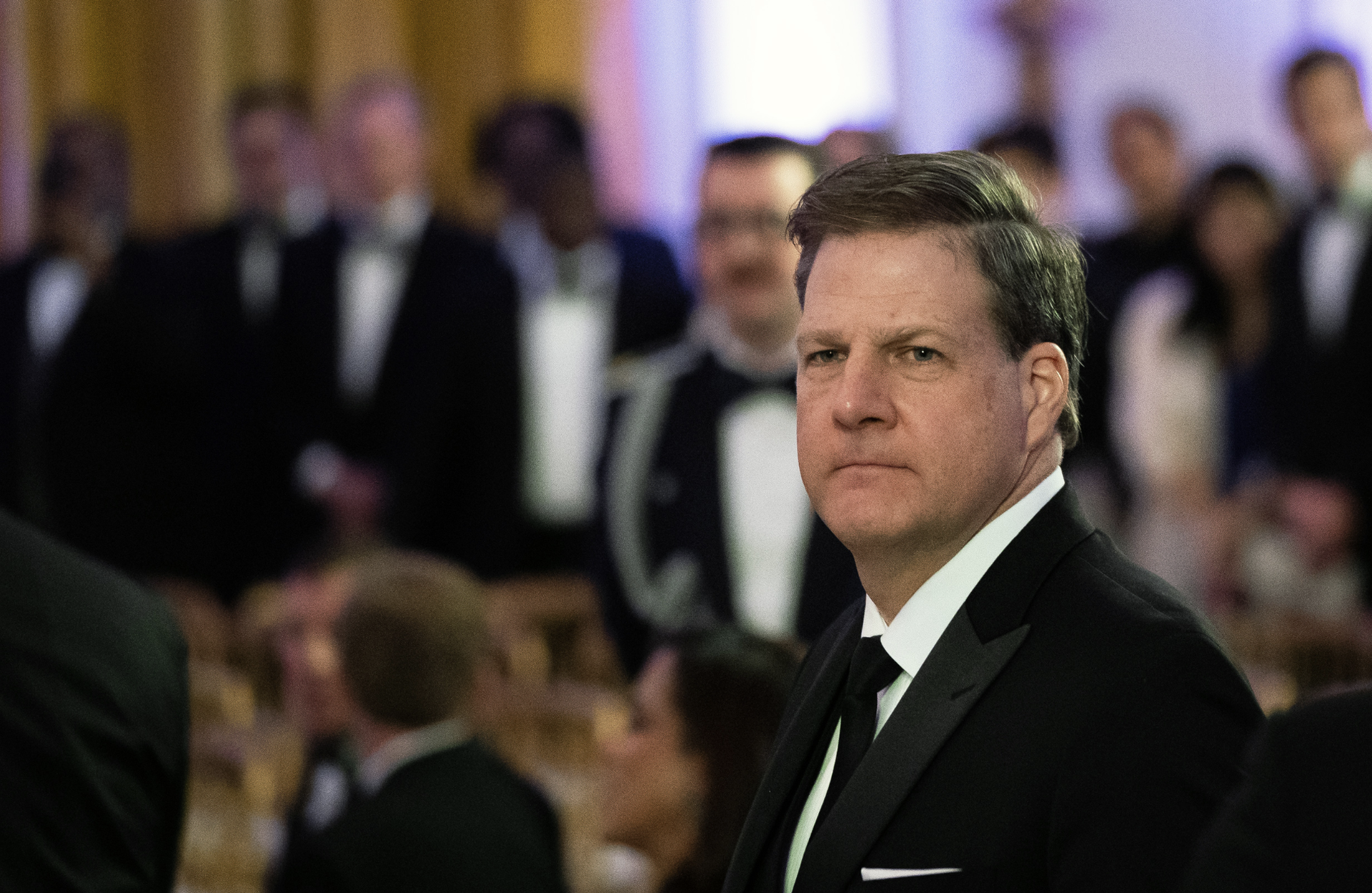
But FIRST… With New Hampshire Republican Gov. Chris Sununu announcing Tuesday he wouldn't run for re-election next year, Republicans move even closer to losing an endangered species.
The ranks of the moderate Republicans have been thinning as the party reorients itself around former President Donald Trump, and punishes those who criticize or oppose him.
We've seen it with the high-profile, Republican governors who have taken a stand against Trump – Sununu himself opened the 2024 election cycle drawing his line in the sand against Trump, former Massachusetts Gov. Charlie Baker decided last cycle not to run for another term, and former governors like Maryland's Larry Hogan and Arizona's Doug Ducey have so far bucked party recruitment efforts to get them back into the game and run for Senate.
The drift has certainly been even more pronounced in Congress, where GOP primaries often serve as a referendum on a candidate's fealty to Trump (often to the detriment of the party in key races), creating pressure on Republican lawmakers to fall in line or step aside.
And it's propelled Trump acolytes into positions of power at the state level, leading in some cases to turmoil and under performances on Election Day.
"We should be concerned about this as Republicans. I'm having more 'rational Republicans' coming up to me and saying, 'I just don't know how long I can stay in this party,'" Alaska Republican Sen. Lisa Murkowski told The Hill for a story on the rise of Republican populism.
"Now our party is becoming known as a group of kind of extremist, populist over-the-top [people] where no one is taking us seriously anymore."
With Trump's GOP primary polling lead showing no signs of letting up, Republicans like Sununu are faced with deciding if it's worth running on the same ballot as the former president yet again, forced to answer for every Truth Social post, campaign rally utterance, or controversy.
But they're not the only ones facing questions this cycle about where they stand in an increasingly self-sorting American political landscape.
Three of the Democrats' top Senate incumbents on the ballot next year – Montana's Jon Tester, Ohio's Sherrod Brown and West Virginia's Joe Manchin – have also been unicorns in their own states, and they face tough sledding as they ask voters in red states for another term. So far, their ability to appeal to voters from the other party has been a key asset, one that has kept them bucking the trends in their states.
When the dust settles on 2024, how many of these unicorns will be left?








No comments:
Post a Comment