By Heidi de Marco
Doug and Connie Moore met at seminary. He was a student and pastor of an inner-city congregation, and she was a student and a public health nurse.
"She's the one who drew me to the needs of the poor," Doug says.
The pair wed in 1974, and Doug became a pastor at the First Evangelical Free Church of Los Angeles in 1983. They became deeply involved in their community and dedicated much of their free time to teaching English as a second language, creating tutoring programs and mentoring students in poor communities here and abroad.
But these days, the retired couple spends most of their time inside their modest two-bedroom apartment in Los Angeles. Connie, now 73, was diagnosed with Alzheimer's, the most common form of dementia, in 2015. About 10% of Americans age 65 or older have the disease, according to the Alzheimer's Association, including an estimated 670,000 people in California.
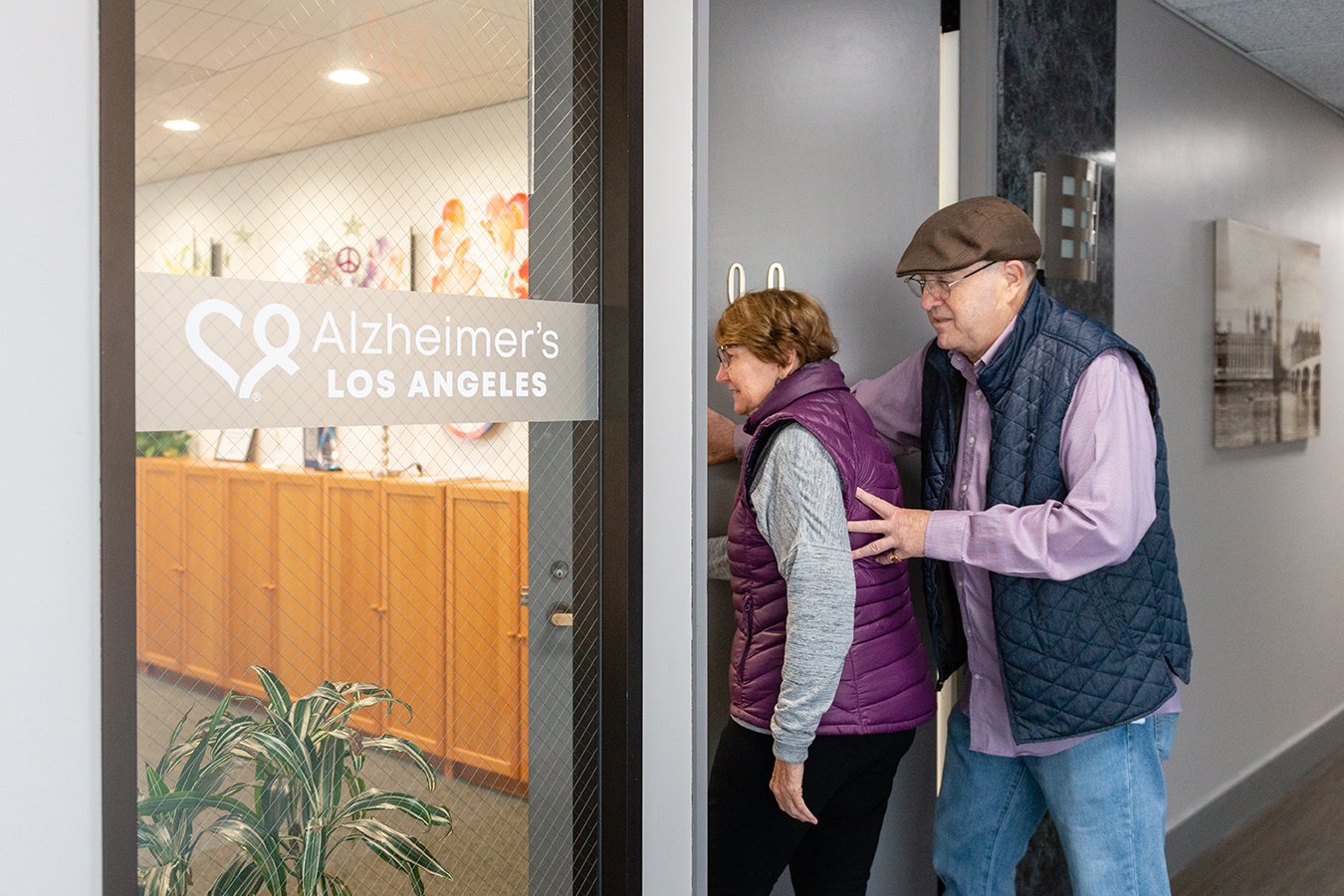
For Alzheimer's patients and their caregivers, social and emotional isolation is a threat. But hundreds of "Memory Cafes" around the country offer them a chance to be with others who understand, and to receive social and cognitive stimulation in the process. View the full photo essay here.
•••
Home Health Care
Why Home Health Care Is Suddenly Harder To Come By For Medicare Patients
By Judith Graham
Medicare has changed how it pays for services. In response, agencies across the country are firing therapists, limiting physical, occupational and speech therapy, and terminating services for some longtime, severely ill patients.
What To Do If Your Home Health Care Agency Ditches You
By Judith Graham
If you're told Medicare's home health benefits have changed, don't believe it: Coverage rules haven't been altered and people are still entitled to the same types of services. All that has changed is how Medicare pays agencies.
•••
Navigating Aging
What The 2020s Have In Store For Aging Boomers
By Judith Graham
On the bright side, advances in medical science and a push for healthier lifestyles might extend the quality of life for aging boomers. Among clouds on the horizon: ageism, strained long-term care services and the need to work well past retirement age.
•••
End-of-life Wishes
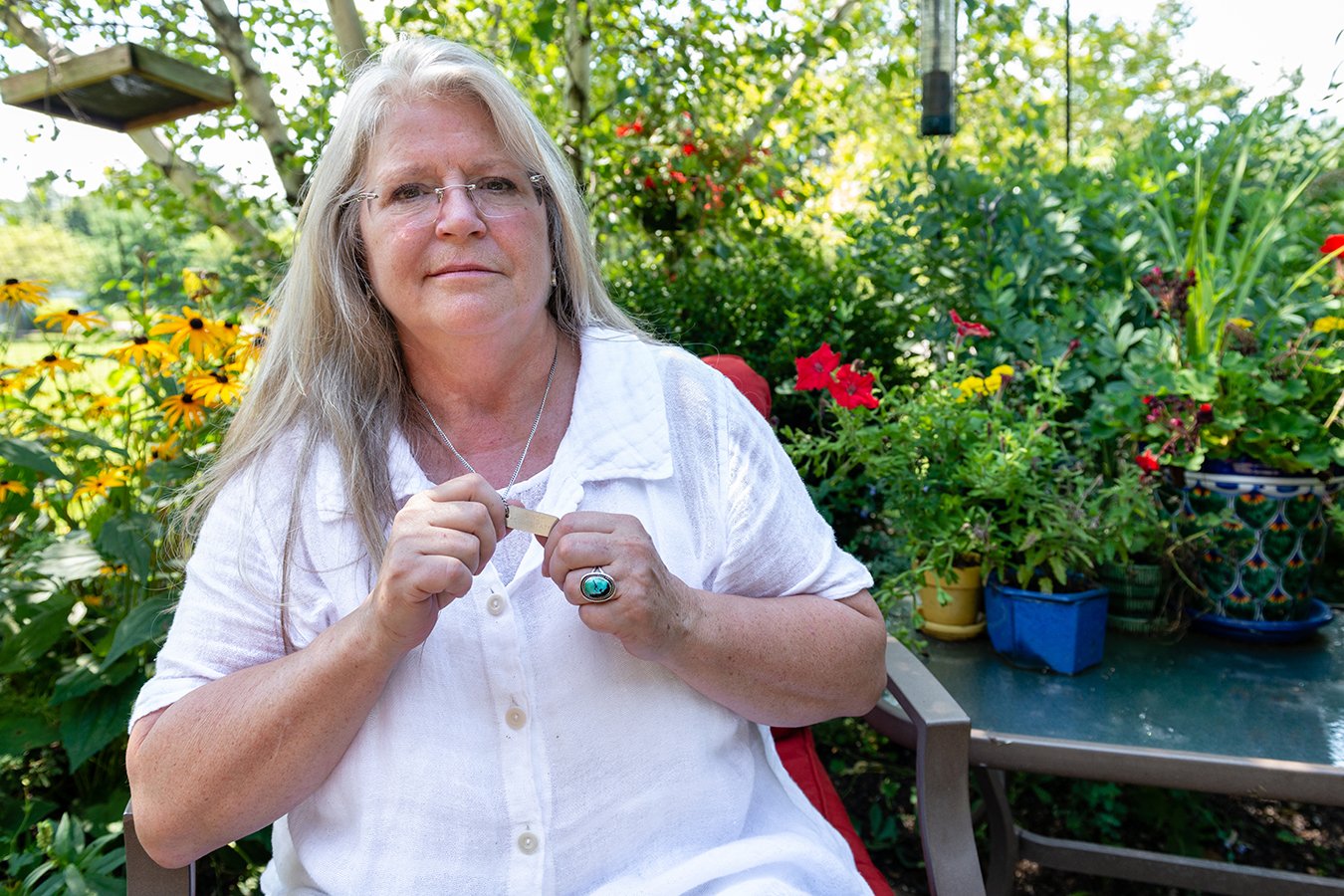
Diagnosed With Dementia, She Documented Her Wishes. They Said No.
By JoNel Aleccia
Photos by Heidi de Marco
Across the U.S., people with early dementia are signing new advance directives to confirm their end-of-life wishes while they still have the ability to do so. But doctors say the documents may offer a false sense of security.
Patients Want A 'Good Death' At Home, But Hospice Care Can Badly Strain Families
By Blake Farmer, Nashville Public Radio
Fewer Americans are dying in a hospital, under the close supervision of doctors and nurses. That trend has been boosted by an expanded Medicare benefit that helps people live out their final days at home in hospice care. But as home hospice grows, so has the burden on families left to provide much of the care.
•••
Penalized By Medicare
Preeminent Hospitals Penalized Over Rates Of Patients' Injuries
By Jordan Rau
Medicare cut payments for 786 hospitals because of high infection and complication rates. They included a third of the hospitals proclaimed as the nation's best in one prominent ranking.
→Look Up Your Hospital: Is It Being Penalized By Medicare?
•••
Medicare For All
An Attack Ad That Claims Michigan Sen. Gary Peters Supports 'Medicare For All' Doesn't Hold Up
By Victoria Knight
This one is a big stretch.
Trump On 'Medicare for All' And The Costs Of Extending Health Care To Undocumented Immigrants
By Shefali Luthra
In his Feb. 4 State of the Union address, President Donald Trump said the cost of extending health care to people regardless of their citizenship status would "bankrupt" the U.S.
A Guide To Following The Health Debate In The 2020 Elections
By Julie Rovner
As the Democratic primary campaign nears pivotal voting, important aspects of health care policy are being overlooked.





No comments:
Post a Comment